Slow fashion can helpend world poverty and boost the economy in the same way other industries can. Giving the people who make clothing a livable wage and helping them rise out of poverty allows them to purchase more hand made Indian products.Slow fashion can help alleviate world poverty because it allows the people behind these brands to continue carrying out their beneficial work.It demands that the people making clothing receive just pay and have safe working conditions. When garment workers obtain support they are able to have access to resources for themselves and their families.
Author: world of fashion
The first step to slow fashion
Slow fashion is everything fast fashion is not :environmentally sustainable,socially conscious,and designed to last. In the long term,this means that by supporting slow fashion you are engaging in low impact living. Which can make a big difference in the plant’s future health. Using slow fashion over fast fashion supply chain,you can help reduce and even reverse environmental damage and while supporting local communities. Slow fashion is a sustainable approach to what you wear,how much you buy,and where you shop. We should buy environmentally friendly materials like organic cotton and tencel,there products last longer and create less waste. Slow fashion is a win for human right too. Companies that care more about where there products come from. Care about the people making them. Slow fashion on products tend to be more expensive because of how they are made. While you will save on slow fashion in the long run since the clothes are durable and timeless,the cost can be prohibitive.
Fashion of Gujarat ( Patola saare)
Gujarat’s famous weave,patola,is high on list. The name patola is derived from the sanskrit word “pattakulla” and is the plural form of the word patolu. Even though the patola fabric is said to be of Gujarati origin.These saari being worn by women during ceremonies and holy occasions.It is rich trade in gujrat.Patola saris is a sign of social status among Gujarati women. Patola is double ikat woven sari,usually made from silk.Patola originated 900 years ago.It is normally takes three people about four to seven months and it can also take up to a year to weave a patola saare. Making it expensive and time consuming. During weaving the yarn undergoes multiple cycle of tying and dying,following a specific order of colours. Displacement of even a single yarn can disturb the design arrangement and make the entire set redundant.Every colour has a unique place in the design which needs to be carefully aligned while weaving it.Patola are generally represented by abstract design and geometric patterns.Elephant,human,figure,kalash,flowers,shikhar,paan and parrots as well as designs inspired by the architecture of Gujrat are popular.The complexity and time Intensiveness is what makes patola so valuable.weavers use natural dyes like catechu,cochined,indigo,turmeric, natural lakh,henna and marigoare used in making them.The double ikat weave means once the saree or fabric is woven, you can’t differentiate between the side ,the colour and the intensity,the feel and the look are the same on the both side. Patola weaving requires a lot of mental calculations,patience.their unfading bright colors and their rich history add to their uniqueness.
Japanese Shibori Dyeing (birth of tie and dye)
Many different cultures across the world have use tie and dye techniques for treating textiles for many years. Japanese Shibori has its origines in China and was originally introduced to Japan around 1300 year ago. Shibori become a popular method for decorating textile fabrics within Japan. The main dye used was indigo and,to a lesser extent,maddar and purple root,which explain the beautiful indigo blue color,presented in most Shibori art works.Shibori dying in indigo was especially popular amongst the lower class in Japan.Unable to afford expensive fabrics like cotton and silk cheap hemp clothing was widespread.Shibori emerged as a technique to renew old,faded,stained and damaged clothes. The term ‘ Shibori’ comes from the Japanese’Shibori meaning twisted and pressed. This technique is a way of making patterns on fabric through exposing only some portions of the fabric to dye. Insially people who were rich they were luxury fabric and so new way of decorating the cheaper linen and hemp fabrics. This is whrer Shibori began to play a significant role in Japanese textile production.Through the manipulation of fabrics prior to dyeing rich and fascinating pattern could be development which lifted ‘plain’ fabrics such as hemp into the extraordinary.The intricacy and beauty of Shibori dyed patterns allowed kimono garments made from these fabrics to exud a luxurious and unique quality similar to the richly painted,embroidered and woven ‘ forbidden’ silk and Shibori a popular choice for working class consumer.Shibori was used to refresh and renew damaged or worn clothes.

Kohbar – The art of marriage
India is a country of diverse cultures & rituals but with the onset of the modern era ,some of these practices &rituals have got lost in the pages of history .But being modern doesn’t means that we forget the practices & rituals that were sacred for our ancestors. Traditions which can be passed down from generation to generation, are the true essence of a family heirloom.
When I got married an entered in my in-laws house. I saw a kohbar on the wall where me & my husband were taken to, to perform the rituals as per the tradition which newly weds have to perform. But some how these traditions which were a must before are fading away.
Kohbar refers to the decoration of the marriage chamber. This is one way to bless a newly wed couple. The central theme of the Kohbar art are love and prosperity. In Kohbar we paint lotus plant, bamboo grove, fishes, birds and snakes, besides those of Lord Shiva and Goddess Parvati . So through these paintings , blessings are given for a successful marital life. In kohbar ,every painting or art symbolises something,like flowers stand for happiness while the love bird in the painting would express the ever growing love between the couple. Kohbar is decorated before the wedding and is the most important part of marriage. The wall are decorated by the women and by home made natural colours. A kind of stick and cotton was used as a brush for that painting. Now a days the painting is painted on paper sheet. It has a great significance during the wedding for four five days maximum time of bride and bride &groom spent in the kohbar, performing customs &rituals. The rituals of wedding starts from the kohbar and end in the kohbar. Kohbar was also kept for at least one year. Kohbar is one of the style of the famous Madhubani painting
Because our Indian tradition are so diverse & colourful , the Indians who leave India for their work cannot forget the beauty of these tradition & culture. We are trying to conserve and preserve of this style of painting even while making the practitioners proud of their heritage thus I want to pass on this tradition to my future generation so that this tradition is kept alive for the up coming generation and doesn’t fade away. I hope the young generation pay more attention and respect to kohbar art in their marriages and they also keeping in mind the importance of this art pass it on to their future generation. So that kohbar art will be preserved for centuries .
I am on trend
Join my group board, fashion mania, on Pinterest! https://pin.it/5uvD9h5
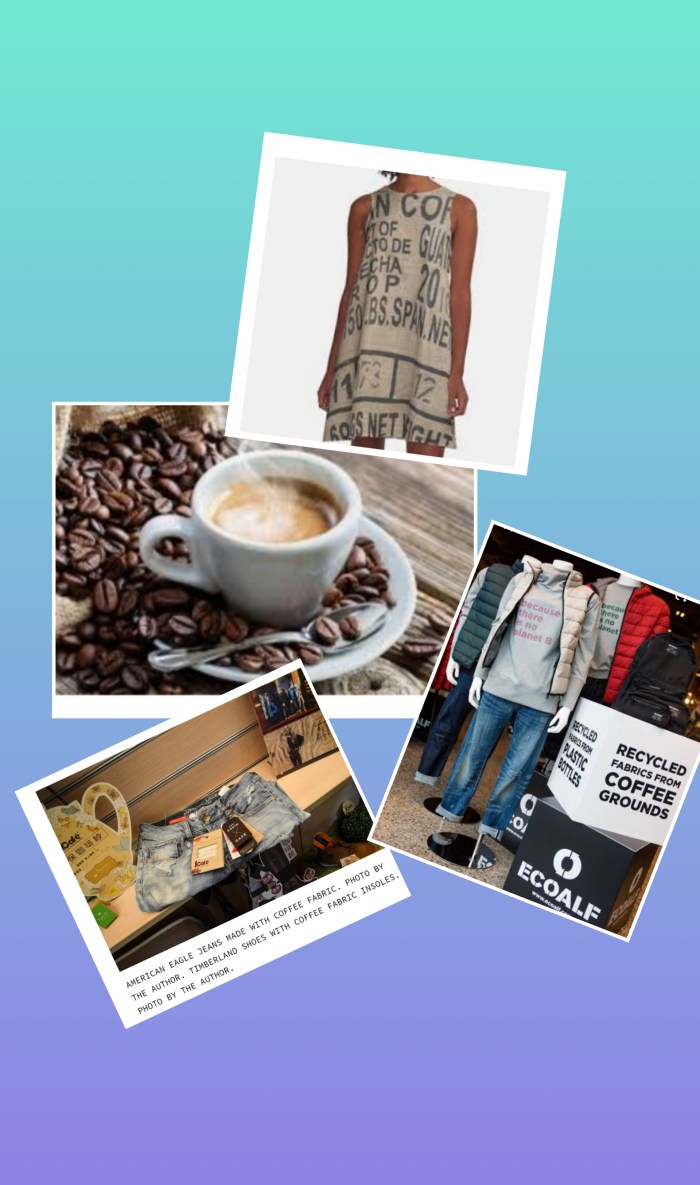
Coffee grounds fabric
I love to drink coffee. Me &my son enjoy exploring different companies and variety of coffee. But never had i heard that coffee could be used as a fabric. First developed by taiwanese company in 2008,the use of coffee grounds to make clothes was a breakthrough. Consider your morning cup of coffee. To produce it only 0.2 percent of the coffee bean is used. The remaining 99.8 percent becomes coffee grounds and is most likely to be thrown away, never to be seen again for the last decade, Taiwanese company Singtex has made a fortune from those grounds,creating fabric out of coffee waste. One t-shirt can be made with three cups of coffee grounds. Third generation Taiwanese textile maker Jason Chen was sitting at Starbucks with his wife Amy when they saw some old ladies collecting coffee grounds. This led them to the idea of creating odour free textile over 13 years ago. The fabric is made from the waste product that is left over after making coffee. The used coffee grounds usually just end up in a landfill. So this recycling process is truly ethical and responsible. The coffee grounds are processed to make them into yarn which is them woven into naturally high tech fabric.
Today singtex is known all over the world for mixing coffee ground with polyester from recycled plastic bottles to make a fibre perfect for sports wear. The coffee component of the textile eliminates odours, protects from ultraviolet rays and is also waterproof. Big apparel label such as Adidas, North face, Patagonia as well as niche brands like Rumix use coffee ground fabric from singtex in their clothing & shoes. The Company has a strict recycling system and uses natural gas instead of coal.
Also Oil is extracted from the leftover bean and is sold to cosmetic and soap companies. Coffee ground fabric is also utilised to make waterproof film and foam pads over the years, singtex has become a model of sustainability in Taiwan.
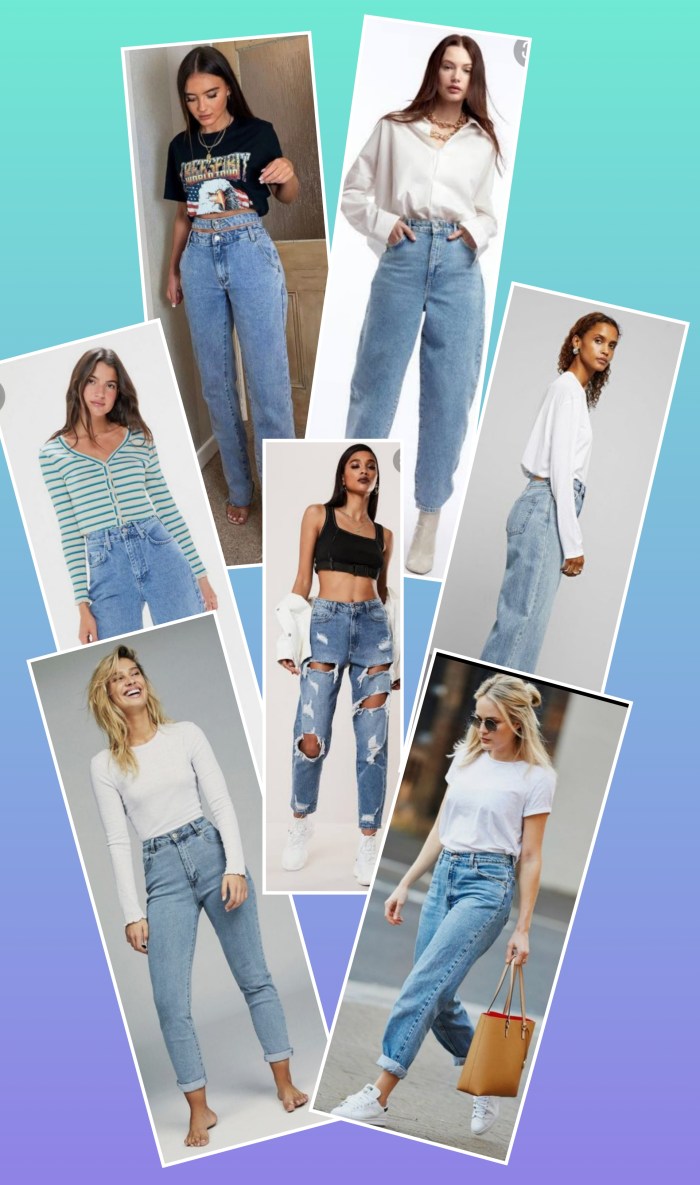
Mom jeans is Trending
Mom jeans is a humorously pejorative term for type of women’s jeans worn in the 1980s and early 1990s , considered to be unfashionable and unflattering to the wearer’s figure. Straight legged, high – waisted jeans were almost casualties of reductive stereotypes about mother hood but now they’re back. Mom jeans are now quite trendy. For most women who came in the latter half of the 20th century. Then, Straight-legged and high waisted jeans were pretty much always cool, or at the very least Perfectly normal. Mom jeans means high waisted, loose -fitting jeans looking particularly conservative compared with what trendy young women were wearing. Ther seems to be a separation between the identities of women & mother. An expectation that a mother is particular type of women whose focus is an her children or should be and often she’s expected to be an example of modesty, particularly for her daughter. ” Trends come, go and later come around again ” . Mom jeans are making a major comeback. People love these high waisted jeans because they’re easier to wear with relaxed fit, retro vibe. Mom jeans aren’t for mums any more. Fashionista of every age are embracing the comfortable fit and flattering high-waisted design that mom jeans appear and there are so many ways to style them so they feel young and modern. I guess mother denim is one of those special brand that are more cultural ambassador than a denim line. We love there clothes. The new denim brand Mom jeans became popular with young fashionable women once again in 2010s. The term gained of greater prominence after a may 2003 Saturday Night Live skit ( written by tina fey) for a fake brand of jeans called Mom Jeans which used the tagline for this MOTHER’S DAY don’t give mom that bottle of perfume. Give her something that say I’m not a women anymore…. I am a mom

Pineapple ———the fruit of fashion——
Pina is a pineapple fiber made from the leaves of a pineapple plant. Many health conscious people love to have pineapple as their favorite dessert. It’s because of many health benefits it protects from a simple flu as well as fights off free radicals that cause cancer. It cleans the internal system to keep our body healthy through fibers that help in proper digestion. We are able not only to keep our internal system clean but also to achieve an outer elegant appearance. Pineapple trees are grown for their fruit. Using the leaves as fiber as well is good commercial sense especially now that eco conscious designers are looking to move away from leather and synthetic. Pineapple is mainly grown in sub tropical countries including Philippines, India, Taiwan, Brazil, Indonesia. The credit for making textile fibers from pineapple leaves go to the Philippines. Pina name comes from the Spanish word Pina which means pineapple. During 19th century Pina fabric was much in demand not only in Philippines but worldwide However, when the much cheaper cotton fabrics became popular, it’s production ceased and Pina fabric almost disappeared. Till the mind eighties of 20th century, Pina fabric was nearly impossible to find with only a handful of aging. Part time weavers working for its survival. In fact pina has been revived in recent past four decades only. Great efforts were made for the revival of this Pina trade. Now once again Pina fiber is globally popular. Pineapple leaves is an agricultural waste product of pineapple harvesting no additional environmental inputs (water, fertilizer) are necessary to produce the raw material for fabric. Because Pina threads are characteristically tensile, strong and lustrous, they require no chemical refining or extensive maintenance. The development of ‘vegan’ leather made from pineapple leaves is considered one of the greatest Eco-friendly material innovation in recent years. Since pine is from leaf the leaf has be cut first from the plant. Then the fiber is pulled or split away from the leaf. Most leaf fibers are long and somewhat stiff. Each strand of Pina fiber is hand scraped and is knotted one by one to form a continuous filament to be handwoven and then made into Pina cloth a kilo of leaves may provide up to 15-18 pieces of white, creamy and lustrous as silk fiber about 60cm long and it easily retains dyes. Pineapple silk is considered the fabric of choice of the Philippine elite. Pinatex is not only a sustaniable and ethical material. Pineapple leaf fabric is light weight. This fabric is environmental friendly. This fabric is very soft better texture than silk. Pina fiber is often blended with cotton, abaca, silk to make amazing light and breezy fabrics. When woven with silk it is known as breezy seda or Pina silk. Pinatex an animal friendly alternative to leather made from pineapple waste. This is made from cellulose fibers extracted from pineapple leaves. Pineapple based leather is very good alternative of animal leather doesn’t harm animals. It also has clear advantages for the environment compared both to real leather and to other synthetic leather. It’s created from a byproduct of agriculture, meaning its a total waste product. This is natural and sustainable alternative to the animal leather. The fabric is breathable and flexible and can be printed on and stitched. It’s also available to purchase on a roll. We should look at these crop residues as valuable resources, reather then waste, turning problem into solution by converting waste into resources. The new natural fiber.

Native American Fashion.
From thousand of years humans have been engaged in the creative practice of decorating the body from earrings and piercing to tattoos hairstyle embellish garments. Native American woman generally wore skirts and leggings often they wore shirts or tunics as well. In some tribes, like the Cherokee and the Apache, the women wore longer buckskin dresses. Most Native Americans wore some kind of footwear. The well known garments and items of traditional clothing and ceremonial dress included the Breech cloths, buckskin shirts, deerskin dresses, the fringes, animal robes and furs, feather headdresses, roach headdresses, shawls, head baands, breastplates, belt and pouches of the American Indian. Native American headdress was their metaphorical crown. this is due to pop culture’s current intense interest in this beautiful object it is significant item for many reasons one of them being what it’s comprised of these headdress are made out of eagle feathers an eagle is seen as an important intermediary between us the human beings or an creator or the great spirit when you have done something of note for your community you are gifted a feather of this important bird it’s not easy to earn a feather I have eared two feathers in my lifetime and when you earn these feathers you can also gift them to somebody or the feathers of many different people can be combined to create a headdress that you will then present to somebody that you elect as chief sitting Bull was actually elected into his position in this manner and floor length headdress was actually comprised of eagle feathers that were earned and owned by others but felt so powerfully that he will always look out for the betterment of the tribe so he wear this headdress he physically feel the weight of his community on his head on his mind in all of his decision making he physically feels the support of his community on his back and we continue these traditions to these to this day and for those of us who still engage in these practices we feel like we have to protect them and maintain them for our children especially the value systems that are to tied into these practices and this especially goes for the children who grow up outside of their native communities and these disconnected views have already succumb to processes of self stereotyping where they look to outsiders to define there identities for them and this is important because despite all the really cool things happening in the Native fashion in stereotypical ways that it has to have frames that have set feathers it has that turquoise in order for it to be considered Indian and these points get eracerbated when large clothing companies mass production Native inspired collection’s that flood the malls and magazines and runways shows with inaccurate depictions of our cultures for. Now designer are coming forward. Desiginers are using natural resources that were used to make Native American clothing. They use plant products. Clothing made from plant products such as the bark of trees that were shredded to make fibers or grasses that were woven or garments made from cloth produced by various tribes that were woven from cotton, sheep’s wool or goats hair.
 Fashion on mind